Solabot Technologies Pvt. Ltd. — Delivering the Best Solution for Cleaning Solar Panels with Advanced Robotic Technology
December 5, 2025
Solabot Technologies Pvt Ltd — Leading the Future with the Best Cleaning Solar Power System Robots in India
December 10, 2025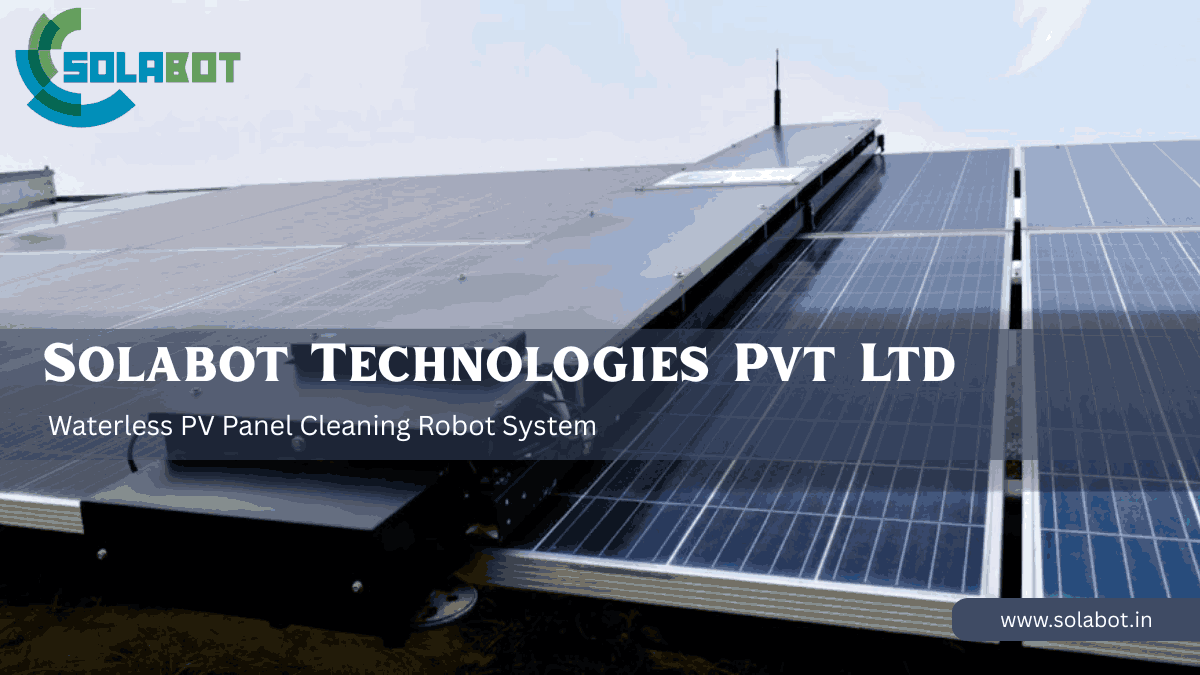
Introduction
Solar farms and rooftop installations are only as productive as their cleanest panels. Dust, bird droppings, pollen, and industrial pollutants build up on PV modules and can shave off 5–30% of energy yields depending on location and season. Traditional cleaning methods often rely on large volumes of water, manual labor, or risky human access on rooftops — all of which raise costs, environmental concerns, and safety hazards.
Enter Solabot Technologies Pvt Ltd and their Waterless PV Panel Cleaning Robot System — an automated, eco-friendly solution designed specifically for modern solar operations. This post explains how the system works, why it matters, benefits, technical features, ROI considerations, deployment best practices, FAQs, and a short conclusion.
What is the Waterless PV Panel Cleaning Robot System?
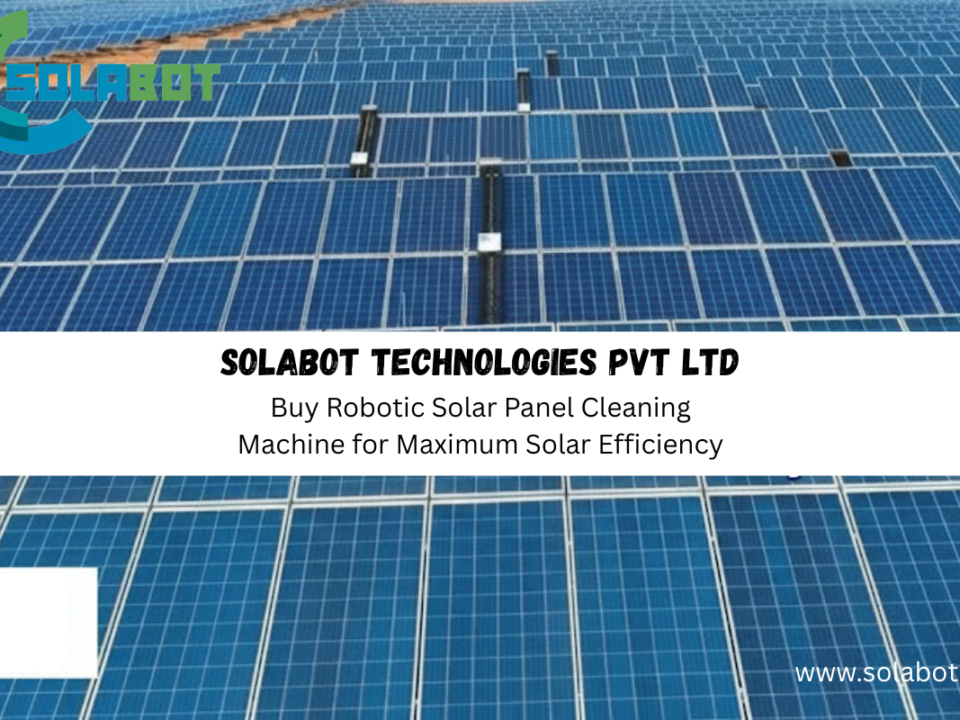
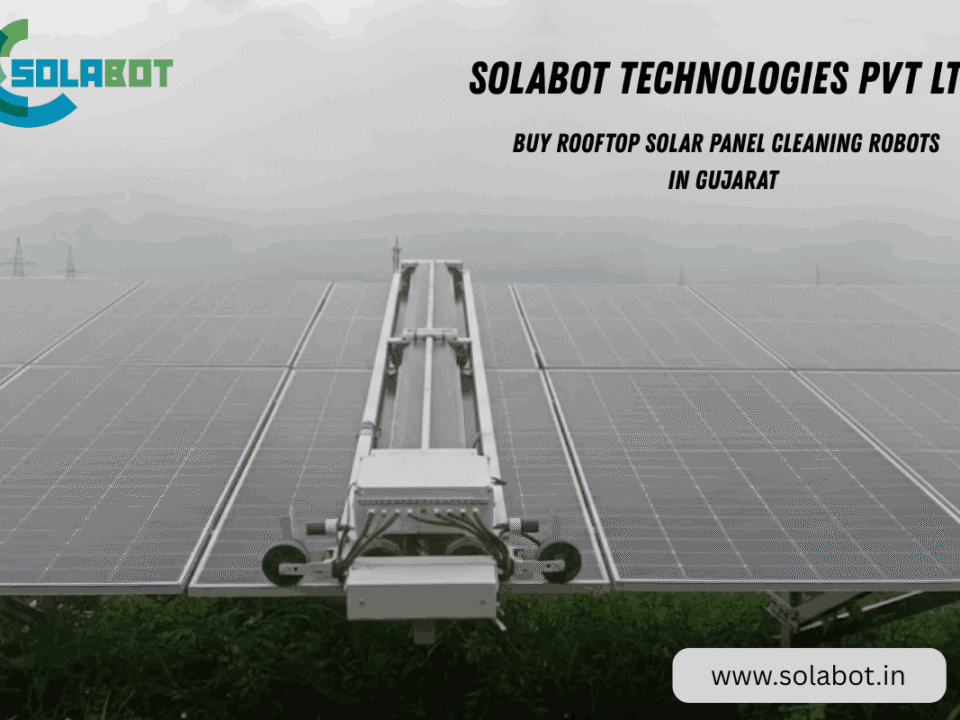
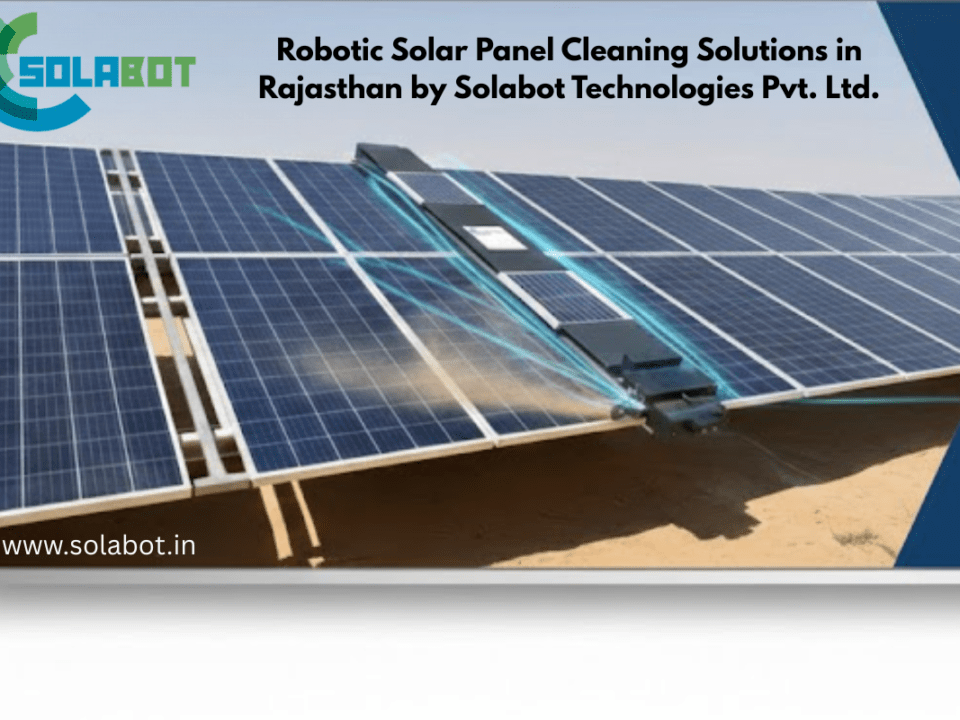
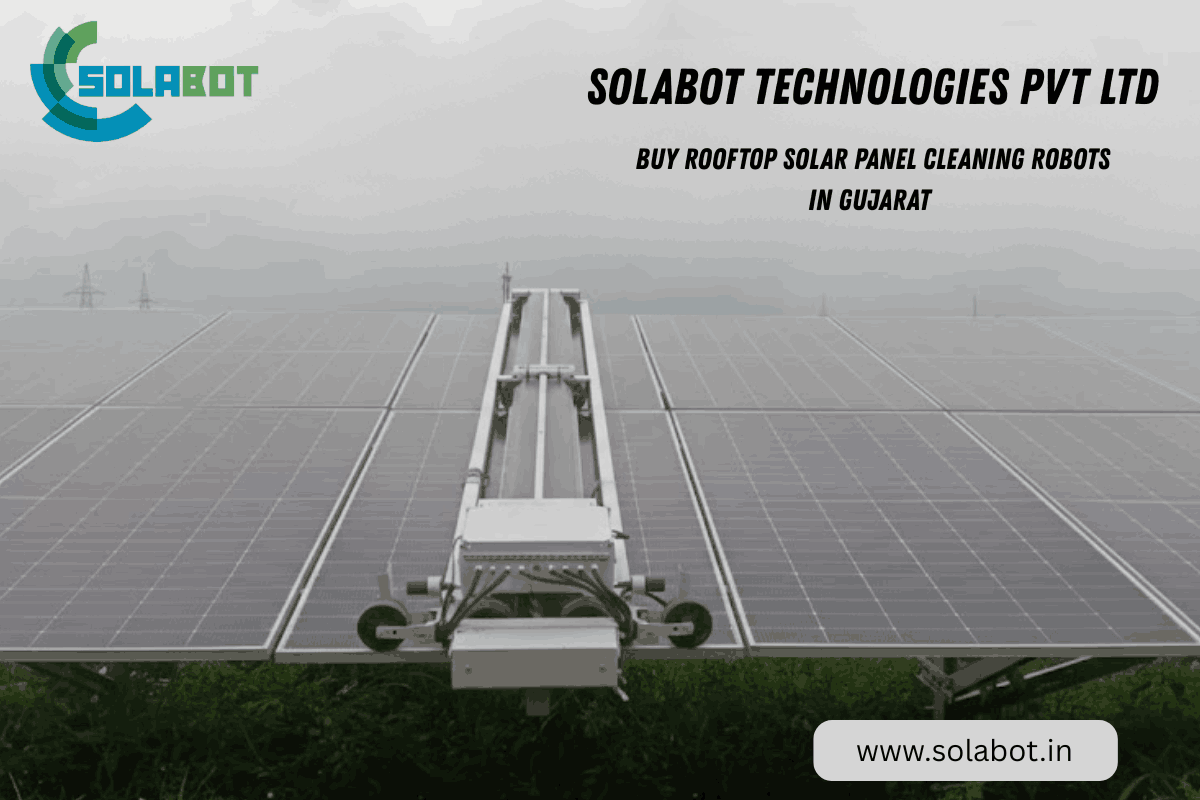
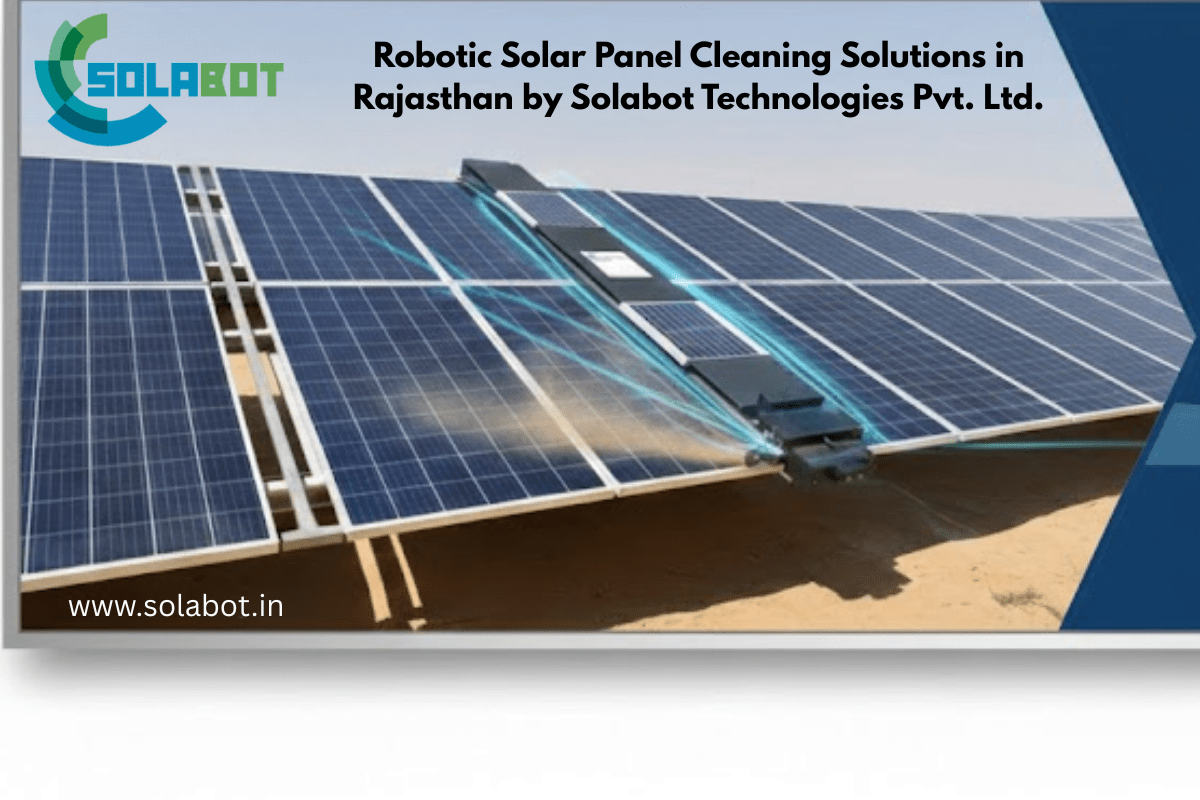
The Waterless PV Panel Cleaning Robot System from Solabot Technologies is an autonomous robotic cleaning solution engineered to remove dust and soiling from photovoltaic panels using mechanical, electrostatic, or brush-based techniques — without using consumptive water. It is designed for both utility-scale solar farms and commercial rooftop PV systems. The system typically includes robots that traverse module rows, a fleet management platform for scheduling and monitoring, and optional solar-powered charging stations to maximize autonomy.
Why “waterless” matters
- Conserves scarce water resources – Many solar plants are in arid regions where water is limited and expensive. Waterless cleaning preserves precious freshwater.
- Reduces operational complexity – No hoses, no pumps, fewer logistics and less downtime from setting up water trucks or temporary plumbing.
- Eco-friendly & compliant – Avoids potential contamination from runoff and reduces life-cycle environmental impact.
- Cost-effective over time – Eliminates recurring water costs and often reduces labor and equipment rental expenses.
Key features of Solabot’s system
- Autonomous navigation: Uses LIDAR / vision systems and path-planning algorithms to navigate module rows safely and efficiently.
- Waterless cleaning heads: Soft brushes, microfiber rollers, or electrostatic wipers designed to clean without scratching the glass or anti-reflective coatings.
- Fleet management dashboard: Cloud-based scheduling, performance analytics, and fault alerts that integrate with existing O&M platforms.
- Solar-powered or low-consumption charging: Minimizes grid draw and enables continuous operation during cleaning windows.
- Modular design: Scales from single-rover solutions for rooftops to dozens-of-units fleets for utility-scale plants.
- Safety & compliance: Collision avoidance, emergency stop, and human presence detection to meet safety standards.
- Low maintenance: Easy-to-replace brushes and consumables, remote diagnostics, and automated firmware updates.
Benefits for plant operators
- Improved energy yield: Regular, automated cleaning restores panel efficiency closer to nameplate output. The Waterless PV Panel Cleaning Robot System helps maintain consistent generation with less manual intervention.
- Lower O&M costs: Savings from avoided water usage, reduced labor hours, and lower wear on manual cleaning equipment.
- Higher uptime & predictable scheduling: Robots can be scheduled during low-irradiance windows (dawn/dusk) to avoid production loss and minimize glare hazards for workers.
- Enhanced worker safety: Eliminates the need for personnel to climb arrays or handle hoses on sloped roofs and remote locations.
- Sustainability credentials: Using waterless solutions strengthens ESG reporting and helps meet green-site commitments.
Practical deployment scenarios
- Utility-scale desert solar farms — Where water is scarce and dust accumulates rapidly, fleets of Solabot robots can operate daily or multiple times per week to sustain high yields.
- Commercial rooftops — Single-unit deployments for low-slope rooftops where access is tricky; robots perform quick, scheduled cleanings with minimal human oversight.
- Agrivoltaics and remote microgrids — Autonomous cleaning that doesn’t compete for farm water makes the solution ideal in agricultural settings.
- Bifacial and tracking arrays — Customized cleaning heads and path logic to address both sides of modules and dynamic row spacing.
ROI: What to expect
ROI depends on local soiling rates, electricity tariffs, water costs, and labor rates. Typical value drivers:
- Increased energy generation of 5–20% in dusty climates.
- Reduced water and labor expense — often significant in arid regions where water is costly or unavailable.
- Lower maintenance and downtime — robots can reduce time-to-clean and avoid manual scheduling delays.
A conservative financial model compares: incremental energy revenue (additional MWh × tariff) minus robotic O&M and amortized CapEx. In many cases, payback occurs within 1–3 years, with longer-term ongoing savings thereafter.
Installation & operation: Quick guide
- Site survey: Measure row spacing, tilt, module types, and access points.
- Pilot deployment: Start with a small fleet to validate cleaning frequency and path planning.
- Integration: Connect Solabot’s dashboard to plant SCADA or O&M systems for scheduling and alerts.
- Training & maintenance: Provide operator training for routine checks and consumable replacements.
- Scale-up: Based on pilot KPIs, scale robot numbers and refine cleaning cadence.
Maintenance and service
- Routine checks: Inspect brushes, drive motors, and sensors monthly.
- Consumables: Replace brush sleeves or microfiber pads per vendor intervals (often after dozens to hundreds of hours).
- Remote diagnostics: Use cloud logs to spot wear or navigation issues before they cause downtime.
- Support contracts: Solabot typically offers service tiers including spare parts stocking, on-site service, and SLA-backed response times.
Conclusion
The transition to automated, sustainable O&M solutions is accelerating across the solar industry. Solabot Technologies’ Waterless PV Panel Cleaning Robot System presents a compelling, practical answer to the twin challenges of resource conservation and reliable energy production. For solar plant operators seeking to raise yields, cut costs, and improve safety — especially in water-scarce regions — waterless robotic cleaning is an investment that pays off operationally and environmentally.